
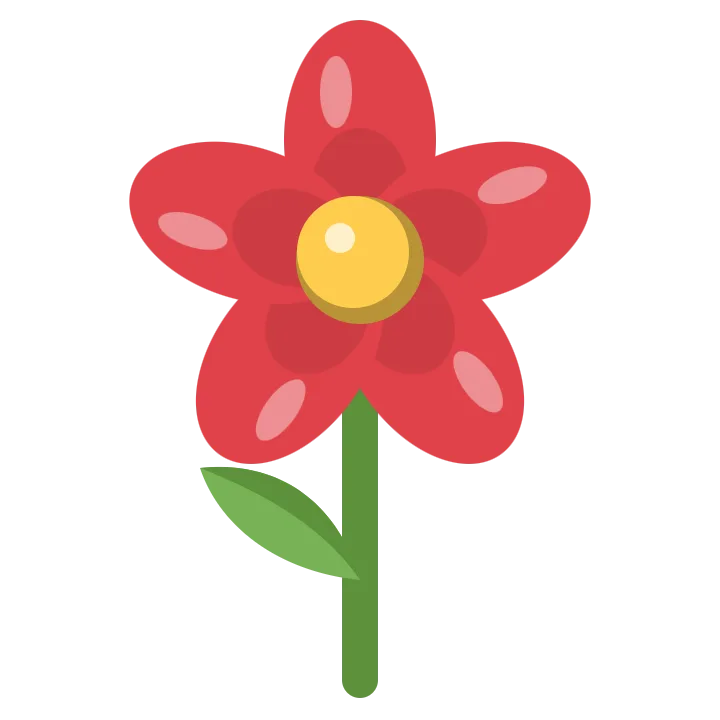
Buransh
Rhododendron arboreum
flower
⚠️ Toxic look-alike
Never eat this plant unless you are certain it is not its toxic look-alike.
Other rhododendrons and azaleas, those of European gardens and parks as well as those of the mountains, are toxic: their flowers, leaves and nectar contain grayanotoxins, which within hours cause vomiting, sweating, dizziness, a drop in blood pressure and a slowed heart; even their honey makes people ill (the “mad honey” of the Black Sea). Only buransh (Rhododendron arboreum), a Himalayan tree with blood-red flowers, is consumed, and only its petals, in small amounts; it is not found in European gardens. Never use the flowers of a garden rhododendron or azalea.
If in the slightest doubt, leave it. If you feel unwell after eating it, even several hours later, call Poison Control (1-800-222-1222) or 911.
Red petals with a tangy taste, pounded into chutney with mint and salt; a syrup is also made from them, sold all over Uttarakhand.
- Origin
- Himalayas (Uttarakhand, Nepal)
- Season (United States)
- March to April
- Preparation
- Only the petals are kept, pulled from the center of the flower and washed; they are eaten raw, in small amounts, or cooked into syrup.
- Molecules
- In small amounts, not counted Anthocyanins
- Did you know?
- It is the national flower of Nepal, lali gurans.