
Count your 30 plants a week
My Microbiote tracks the diversity of the plants you eat. You log what you eat; the app counts the different plants and the rotation of sixteen categories that feed the microbiome.
Free, no ads. It opens in the browser, on a phone or a computer, and installs on the home screen.
What it does
- Different plants over 7 days, 4 weeks and 12 months. The goal of 30 a week can be set from 20 to 100.
- Sixteen categories in rotation, from legumes, crucifers and fermented foods to resistant starch, each at its own pace.
- 2,084 plants, each with its own page: what it is, where it comes from, how to prepare it.
- Your recipes: a dish logged in one tap, all its plants counted.
- How you feel each day, and personal leads that cross-check how you feel with what you eat.
- The barcode scanner, to find a product without typing it.
- Offline, and in seven languages.
A few plants
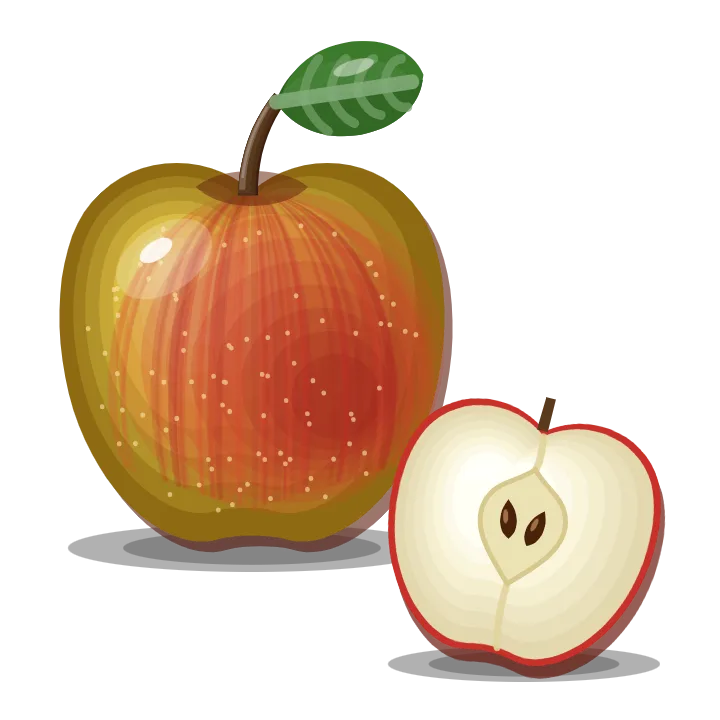

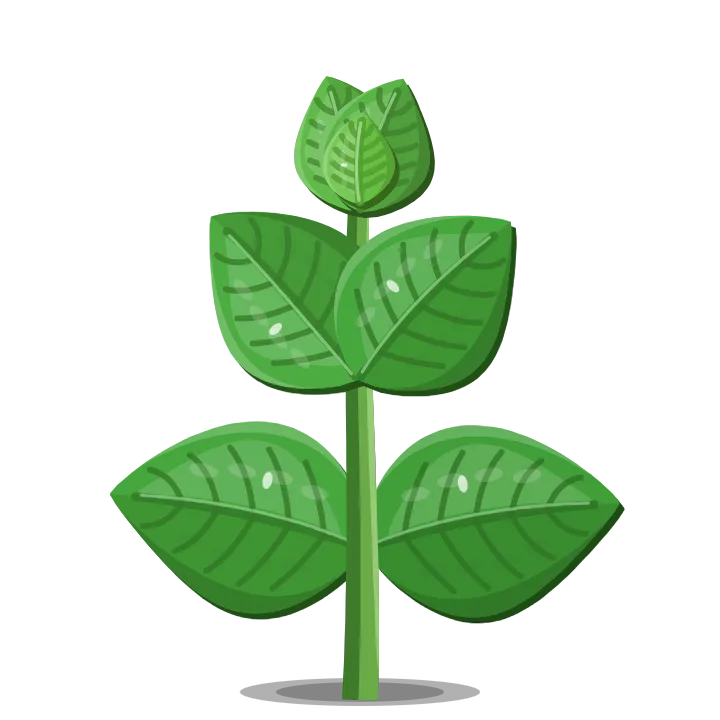
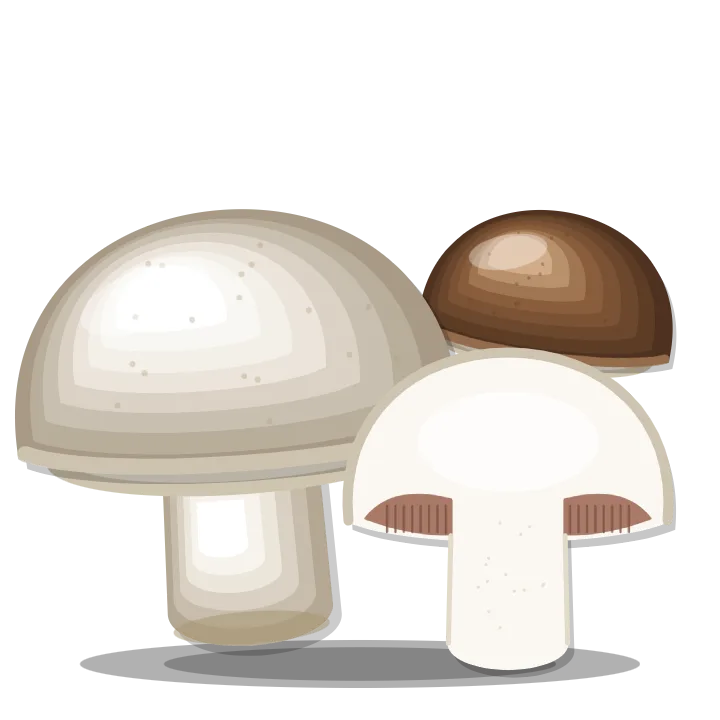
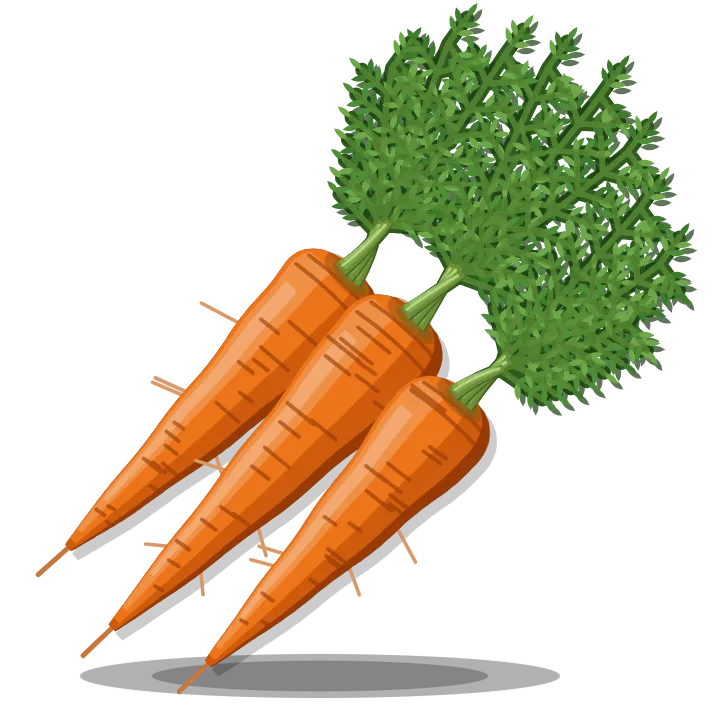

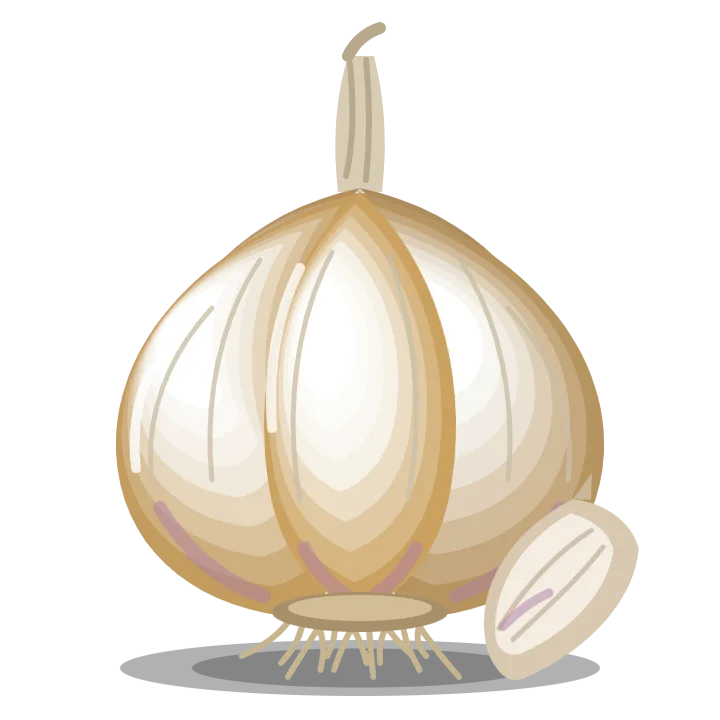
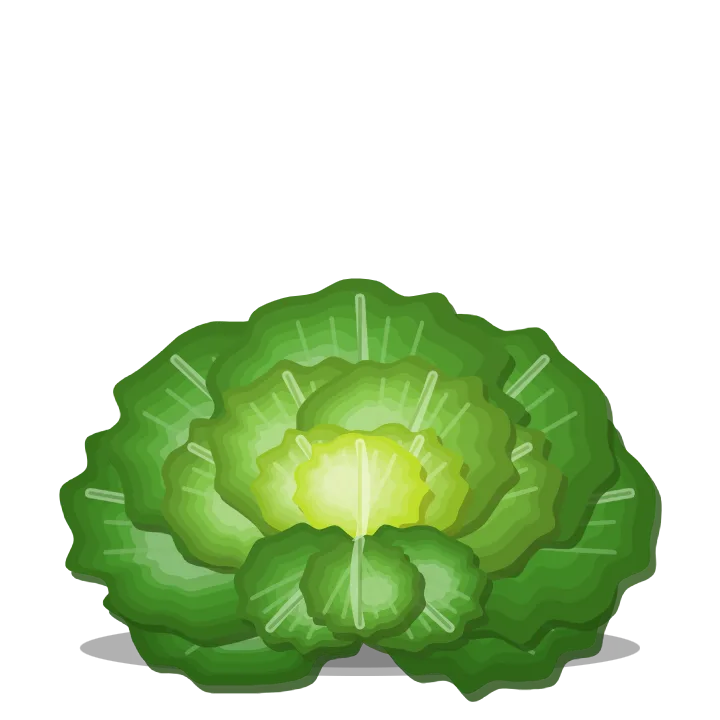
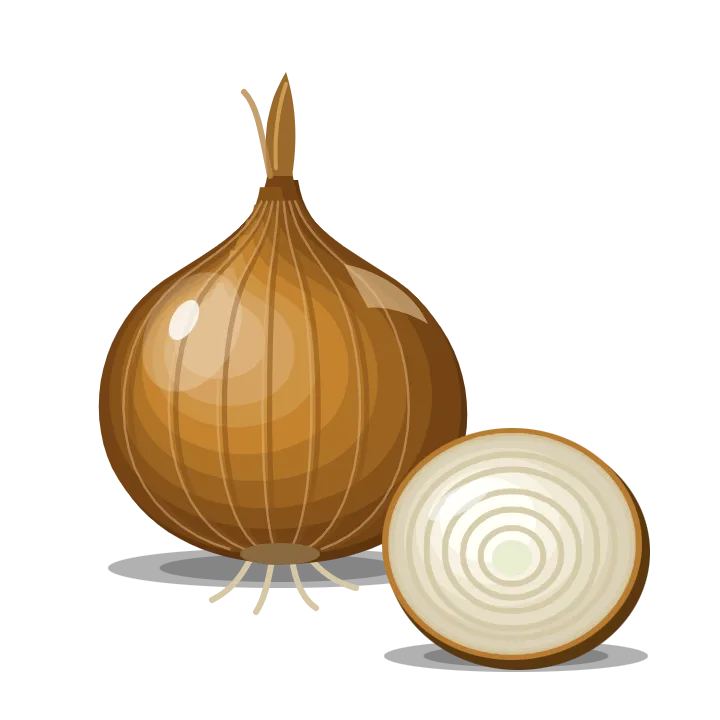
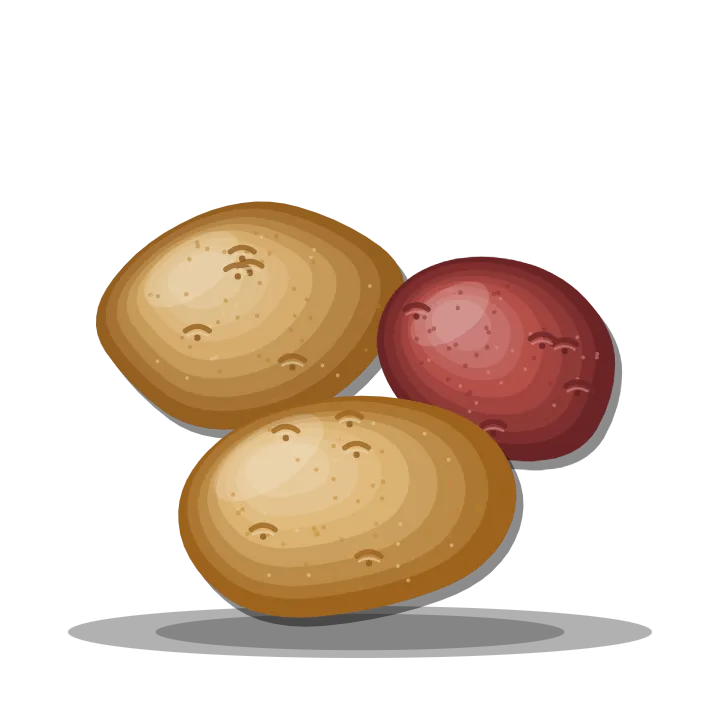

Your data
Without an account, your log never leaves your device. An optional account syncs it across your devices. The scores measure the diversity of what you log: they are neither a medical test nor a diagnosis (how to read the scores).
Guides
- 30 plants a week: how to get thereWhat counts as a plant, eight simple ideas to vary what you eat, and what the number 30 really means.
- Frequently asked questionsShort answers to the questions people ask about 30 plants a week and about the app.
- Which app to count your 30 plants a week?My Microbiote, Plant Points, Eating30, PlantHabit, 30Veg and ZOE: price, languages, devices and counting method, taken from each app's own page.
- An alternative to Plant Points: My MicrobioteMy Microbiote and Plant Points side by side: price, languages, devices, counting method.
- An alternative to ZOE: My MicrobioteMy Microbiote and ZOE side by side: price, languages, devices, counting method.
- An alternative to Eating30: My MicrobioteMy Microbiote and Eating30 side by side: price, languages, devices, counting method.
- What is this app for?What it tracks, what it does not track, and what to do with it.
- What feeds the microbiota?Fibers, polyphenols, ferments: what bacteria live on.
- Logging rules — how does it count?What credits a plant, what ticks a category.
- What is the microbiota?The micro-organisms of the digestive tract, in a few lines.
- What are the effects on health?What the microbiota makes for you, and what “resilient” means.
- The flip side: plants and mineralsLots of plants also means lots of phytates: what you need to know.
- The simplest test: the toilet bowlThe Bristol scale, and what the bowl teaches you every day.
- Does exercise count?What physical activity changes in your microbiome — and why the app does not ask about it.
- What is the Molecules space for?The level below the categories, and above all what is missing.
- Reading the scores properlyWhat a good figure means — and what it does not mean.
- Why these frequencies per category?Where the “every X days” come from, and how to change them.
- Short glossaryThe words that recur in the app, explained simply.
- Where the data comes fromHow the catalog is built, and what comes from elsewhere.
- Your data and your privacyWhat the app knows about you, where it goes, and how to erase it all.
- A sensitive gut: where to start?Bloating, cramps, an unpredictable transit: the order in which to use the app.
- No animal products: what is missing, and where to find itVegan or nearly: the five questions, and what the app does with them.
- Terms of useWhat the app is, what it is not, and the rules for using it.
- Delete your accountWhat is erased, when, and how to ask for it.