
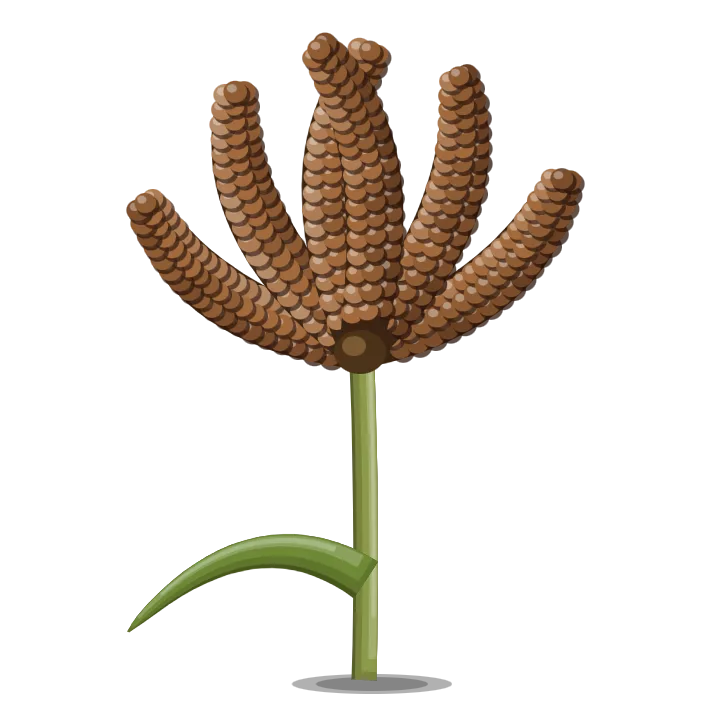
Finger millet / ragi
Eleusine coracana
grain
Small red-brown grains of an East African cereal, very rich in calcium; ground into flour for the porridges, flatbreads and dosas of southern India. They provide iron and fibre.
- Origin
- Highlands of Ethiopia and Uganda
- Season (United States)
- all year round
- Preparation
- Mostly eaten as flour: mixed with water and cooked for a few minutes into porridge, or made into flatbreads, dosas and dumplings (ragi mudde); as whole grains, it cooks for 20 to 30 minutes. Soaking, sprouting or sourdough bring its phytates down — and release the zinc and iron they were holding.
- Molecules
- Resistant starch RS1 · Plant iron · Insoluble fibersIn small amounts, not counted Arabinoxylans · CalciumWhat slows things down Phytates
- Did you know?
- From East Africa, finger millet reached India about 3,000 years ago; it is ragi, also called red millet.