
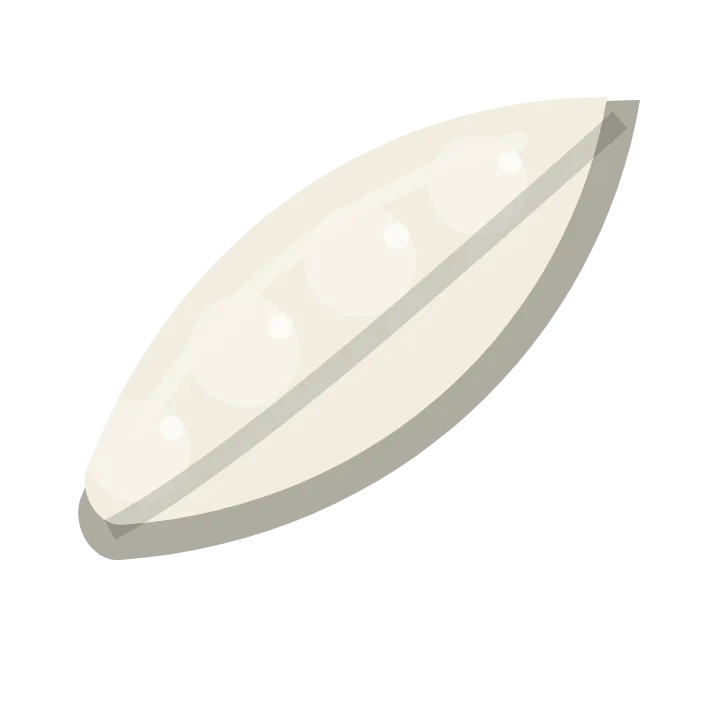
Common milkweed
Asclepias syriaca
vegetable · flower
⚠️ Toxic look-alike
Never eat this plant unless you are certain it is not its toxic look-alike.
In spring, its young shoots look very much like those of dogbane, which grows in the same waste ground and contains far more powerful heart poisons. Milkweed has a thick stem covered in fine down, broad leaves that are velvety underneath, and a single unbranched stem; dogbane has a smooth, often reddish stem that branches near the top, and narrower, smooth leaves. Both have milky sap. Dogbane causes nausea, vomiting and heart rhythm disorders within hours, sometimes serious. Only pick shoots whose adult plant you saw in flower the previous summer.
If in the slightest doubt, leave it. If you feel unwell after eating it, even several hours later, call Poison Control (1-800-222-1222) or 911.
Young shoots, flower buds and young pods, blanched then cooked like broccoli or beans.
- Origin
- Eastern North America (Quebec, Ontario)
- Where to find it
- In old fields, ditches and roadsides; it is also planted for monarch butterflies, whose caterpillars it feeds.
- Season (United States)
- May to July · grows in your region
- Preparation
- Always blanched with the water discarded, then cooked: raw, its milky sap contains cardenolides, heart poisons.
- Molecules
- In small amounts, not counted Insoluble fibers
- Did you know?
- The very light floss of its seeds filled life jackets during the Second World War.