
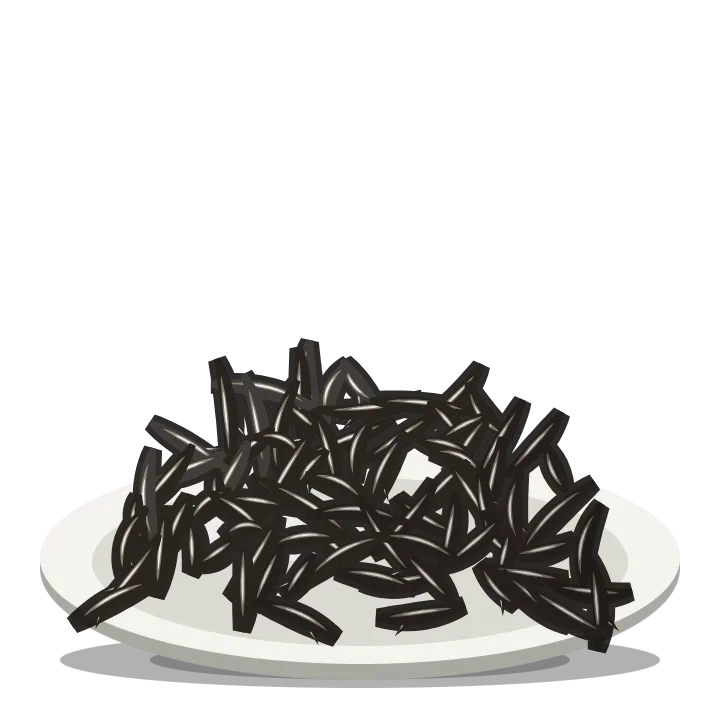
Hijiki
Sargassum fusiforme
seaweed
A brown seaweed in black sprigs, like little noodles, from Japanese, Korean and Chinese cooking; dried, to be rehydrated. It provides fucoxanthin and seaweed polysaccharides.
- Origin
- Coasts of Japan and Korea
- Season (United States)
- imported · all year round
- Preparation
- Several food safety agencies — British, Canadian, Australian — advise against eating it: hijiki concentrates inorganic arsenic far more than other seaweeds, and soaking removes only part of it. Other brown seaweeds do not have this flaw: wakame, kombu and arame give the same minerals without the caveat. Salty by nature: a rinse, or a short soak, takes some of it out.
- Molecules
- Seaweed polysaccharides · FucoxanthinIn small amounts, not counted Calcium · IodineMinerals & trace elements Sodium (salty foods)
- Did you know?
- In the 1960s, macrobiotic cooking made it known in the United States, where it was bought dried, imported from Japan.