
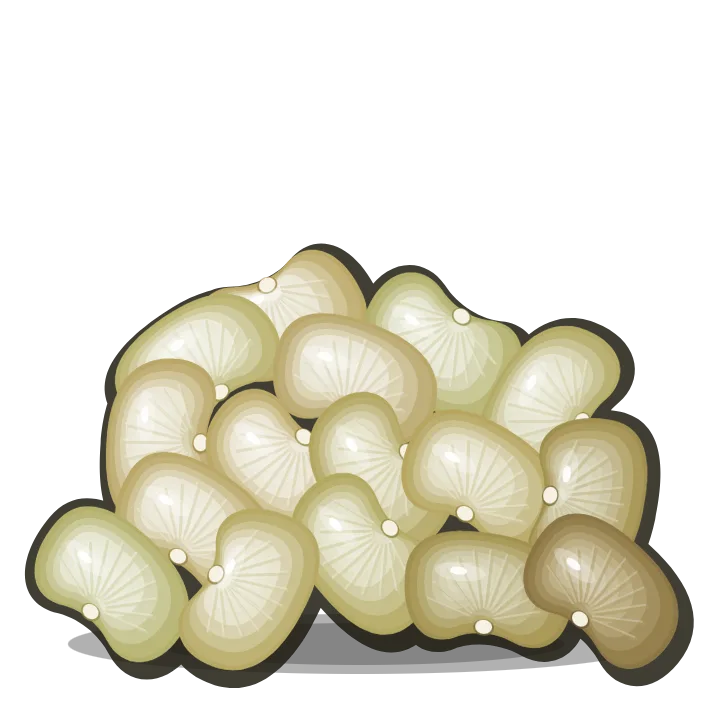
Lima bean
Phaseolus lunatus
legume
Large, flat, floury beans with a mild, buttery taste, a species related to the common bean, grown in hot countries; also called Cape bean or sieva bean. 100 g dry provide 21 g of protein, 19 g of fibre and 7.5 mg of iron.
- Origin
- Peruvian Andes
- Season (United States)
- all year round · grows in your region
- Preparation
- Always cooked in plenty of water, the cooking water thrown away: raw or undercooked, it holds cyanogenic compounds. Soaking, sprouting or sourdough bring its phytates down — and release the zinc and iron they were holding. High in purines: to rotate rather than stack, if the ground is sensitive.
- Molecules
- Resistant starch RS1 · GOS (galacto-oligosaccharides) · Saponins · Folates (B9) · Plant iron · Zinc · Potassium · Protein · Lysine · Phosphorus · Molybdenum · Choline · InositolIn small amounts, not counted Calcium · Copper · Tryptophan · PhytosterolsWhat slows things down Phytates · Purines
- Did you know?
- Small and green, it is called a lima bean; large and yellow, English speakers call it a butter bean: yet it is the same species.