
Lupin
Lupinus spp.
legume
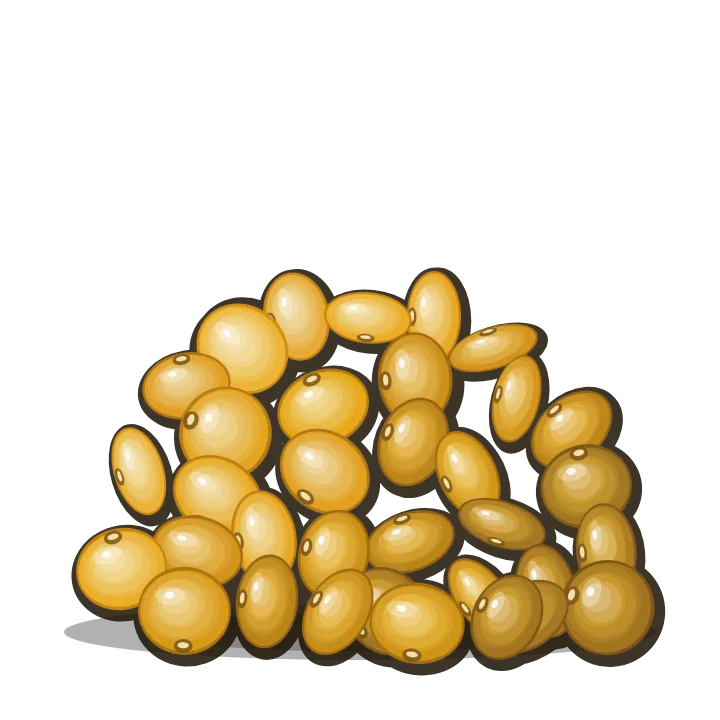
Large, flat yellow seeds of the white lupin, a Mediterranean legume grown since ancient Greece; soaked at length, then nibbled in brine as a snack. 100 g dry provide 36 g of protein, 19 g of fibre, 176 mg of calcium and 4 mg of iron.
- Origin
- Mediterranean and Andes
- Season (United States)
- imported · all year round
- Preparation
- Bitter seeds need several days of soaking with changes of water to lose their alkaloids. The ready-to-eat ones, in brine, have already done it. Soaking, sprouting or sourdough bring its phytates down — and release the zinc and iron they were holding.
- Molecules
- Resistant starch RS1 · GOS (galacto-oligosaccharides) · Protein · LysineIn small amounts, not counted IsoflavonesWhat slows things down Phytates
- Did you know?
- In southern France it is called tramousse; its Greek name passed into Spanish as altramuz and Portuguese as tremoço.